-
Who is she?
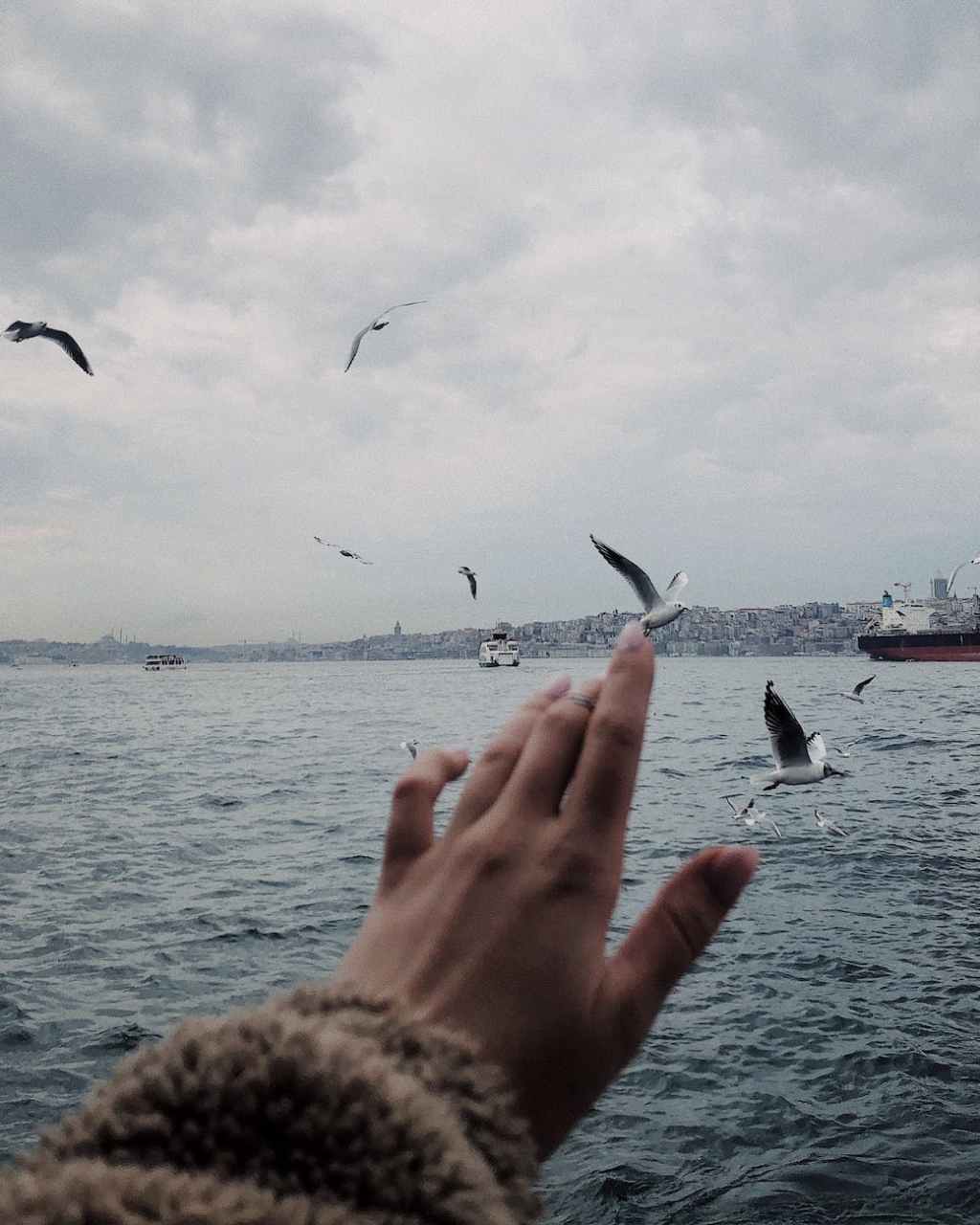
Who am I? I have spent so long trying to figure this out. I have noticed that I have changed along with the world. I change every time I hear injustice. I change every time another child or woman is abused and murdered.
If I had to introduce myself, I would say that I am a mother of two who has wasted a lot of time and effort on meaningless things and people. I am now a mother of two who has scraped all the last bits of energy left to start from where I left off from.
I was once a Master degree holder in social sciences, who spent hours in the library, hours at protests and days working for non profit organisations. After a long 10 year gap, I feel as though I have returned with much more experience despite the time away from work. I have returned feeling even more angry and with the need to make even more change. The world seems to be taking a turn for the worst and I wanted to join the army again. To be an extra voice.
What is one voice? It is ONE MORE voice.
Currently, I spend my days looking after two little ones, providing online and face to face ESL lessons and working towards my PHD research proposal.
This blog will show my journey, provide news and information about issues related to human rights. My focus is mainly on Women & Children.
I completed all my studies so far in London, UK at the University of Westminster. Currently, I am based in Istanbul, Turkey
Please feel free to contact me with any advice, criticism or information.
Thank you for stopping by
-
Out in the streets they call it honour..

How important can honour possibly mean? It may be difficult to understand, if you are from a very much individualistic culture, that for some honour can be worth dying for; even killing for. I am not talking about killing for self-defence, even a random murderous rampage, but worse; ending the life of a very close loved one, usually a daughter or a sister.
Honour killings usually occur in families with traditional morals living in a very tight community. Regardless of where they live, statistics show that the backgrounds of these families are of cultures with similarities in their views of family honour, female chastity and their private home lives. There are many countries where honour killings still continue and happen almost on a daily basis, especially in rural areas outside big cities. It is impossible to find accurate data as some of the girls who have been victims were not registered when they were born, or even when they die. Is it a coincidence that the majority of honour killings occur in countries which are primarily patriarchal and have been facing a struggle with gender equality?
I have decided to take Turkey as an example. It’s a country full of contradictions. It is beautiful, with picturesque landscapes and gorgeous coastlines; full of warm people, warm climate and above all… great food. Okay, I may be biased since it is my home country but every time I go back I get that feeling of mystery and confusion, the mysterious sounds of the prayer call simultaneously with the honking of cars and shouting of frustrated cab drivers in traffic. I remember being in a tea garden in Kadikoy on the Asian side of Istanbul, one of the busiest districts, reading an Elif Shafak book and listening to the city go by, watching the young girls on their way to university with their boyfriends and friends, walking past two women in abbayas. With the call of prayer, men were flocking to the mosque down the road to young professionals drinking at a swanky bar. It felt good knowing that so many cultures, religions and ideologies were living together.
Turkey has strengthened in every challenge it has faced; we have an extravagant and colourful past, which most are very proud of. The founder of modern Turkey, Mustafa Kemal Ataturk, paved the way to liberate women and their rights. Girls were sent to school and were given a voice, while women were allowed to vote much before many other European countries. Much modern development has been seen within the borders of this historical country. The politics are changing, economy ‘growing’, standard of education and healthcare are on the rise, and relationships with the East and West are ever changing. Yet, women are still being penalised for acting dishonourably and accused of bringing shame to the family, sometimes just due to a rumour or an exchange of looks.
So considering all of the above, I find myself asking why we are still struggling to shake off some of the most primitive of traditions. I don’t have an answer, or at least not one that can be discussed here in just a few words, but it is time this issue is brought to light.
Medine Memi (16) was found in a 2 metre deep hole, in a seated position with her hands tied, outside her own home under a chicken pen. She was buried alive. The autopsy showed that she had a significant amount of soil in her lungs and stomach, no bruises on her body and no signs of other foul play. It stated in the report that she “was alive and fully conscious when she was buried”. She was a sixteen year old teenager, from Adiyaman in South East Turkey, buried alive by her father and grandfather in front of her own home because they were “unhappy she had male friends”.
Sonay Ogmen (26), born to an Armenian family in Istanbul, fell in love with someone from a different faith. According to her brother she had broken the family code and brought shame on them. This meant that her life had to be ended. Gonay Ogmen, the brother, lured them out by lying and shot both of them; committing a double murder. He justified these actions by stating it was for the honour of his family. Who taught this young boy that it was okay to kill his sister? Why is this mentality still spreading to our younger generations?
Turkey has been under scrutiny for this matter from various human rights organizations. During the modernization processes many politicians decided to take this matter seriously and tried to find a solution and start acting upon it. Punishments were raised, families encouraged through public broadcasting to send their girls to school, and social workers held workshops to educate communities. After hearing that cases for honour killings were to be tried as 1st degree murder I felt a relief that fathers and brothers would be more reluctant to commit these terrible crimes, as prison sentences have increased substantially with these new laws.
However the efforts seem superficial and young girls are still dying.Elif (18) was living a normal life in Batman, a city in Eastern Turkey, with her family until she was asked to commit suicide by her father. She was being pressured into killing herself by her own father because if he or her brother committed this act of murder they would receive a life sentence. Elif’s father asked her if she “wanted their blood on her hands”. A couple of days before this incident Elif was approached by her father and told that she has to marry a man considerably older than her. She refused and stated that her education was more important and that she wanted to go to university. This was an act of disobedience, a crime apparently punishable only with death.
However, I would like to touch upon an important fact before I end. Not all of these fathers, grandfathers and brothers are cold-blooded murderers. It may seem strange to some but the societal pressure that most of these families (especially the men) have on their shoulders can push them into acting upon the matter of honour. This is why girls are still dying. It is not just about increasing prison sentences and broadcasting a few television adverts; these are not going to make the difference. This collective identity must be more flexible, the mind frames and gaps between generations must be challenged. Above all, these patriarchal cultural ideologies that have led to honour killings must be faced. How can we reform our education system in order to overcome these challenges? Moreover, before this issue can be solved, let’s give this the publicity that it deserves. These girls haven’t died in vain.
-
Subscribe
Subscribed
Already have a WordPress.com account? Log in now.
 When will it stop?